
Common Foundation Types for Commercial Projects
Not every building needs the same foundation. The right choice comes down to the structure, the soil, and what crews find at the site. Here are a few common options and the work that goes into preparing for each one.
Contact MTL Today ►Every building needs a foundation, but that does not mean the same design works for every project. The weight of the structure, condition of the soil, drainage, and planned use of the property can all affect what belongs beneath the building.
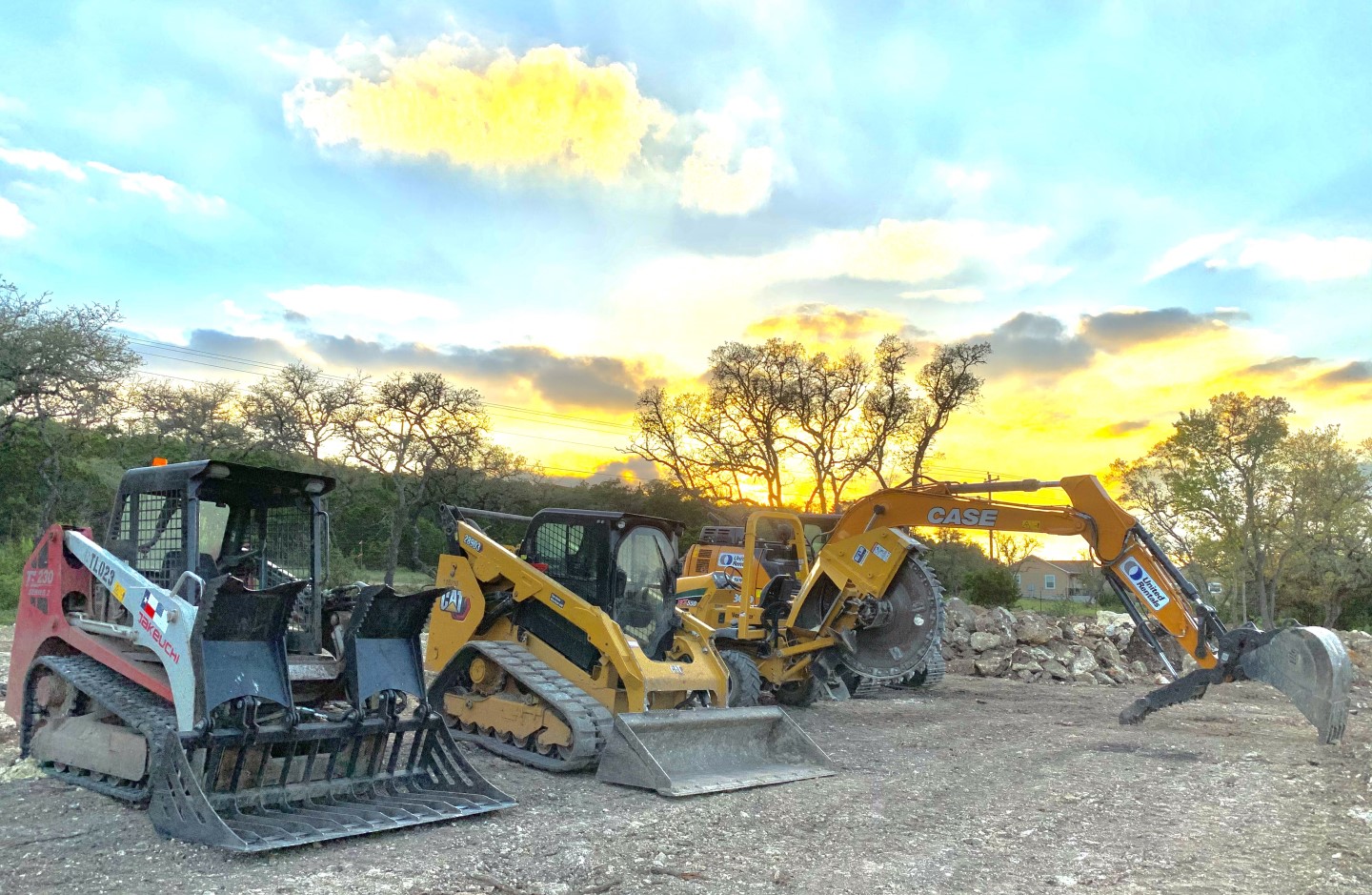
The foundation itself is only one part of the job. Before concrete is poured, the property may need clearing, excavation, grading, and compaction. Careful site preparation gives the foundation crew a properly shaped building pad and room to complete the work shown in the plans.
Here is a closer look at several different types of building foundations and where they may be used.
What Determines the Right Foundation?
The foundation is selected as part of the project’s design and engineering. Before that decision is made, the project team may consider:
- The size and weight of the building
- Soil conditions and load-bearing capacity
- How much the soil may expand or shift
- The slope of the property
- Groundwater and stormwater drainage
- Local building requirements
- The amount of excavation required
- Utility routes beneath or around the structure
There is no single best option for every site. The right foundation is the one designed for that particular building and the ground beneath it.
Slab-on-Grade Foundations
A slab foundation is one of the most familiar choices in Central Texas. Once the building pad has been excavated, graded, and compacted, concrete is poured over the prepared area according to the project plans.
You’ll often find slab foundations under warehouses, offices, and retail buildings. They work well when the ground is stable and the building is designed to sit near ground level.
Before the slab can be poured, crews may need to:
- Clear and excavate the building area
- Remove soil that is not suitable for construction
- Bring the site to the required elevation
- Prepare and compact the building pad
- Complete underground utility work
- Address drainage around the future structure
Although concrete paving contractors and foundation crews both work with concrete, paving and structural foundation work are not the same service. Each phase must follow the plans and specifications prepared for the project.
Pier and Beam Foundations
A pier and beam foundation uses piers set into the ground to support the building. Beams run between the piers, raising the structure off the ground.
This design may be considered when surface soils are not suitable for a standard slab or when the building needs to sit above the surrounding grade. Because it creates space beneath the structure, it may also leave certain utility lines more accessible.
Pier placement, depth, and spacing are determined by the project’s engineer. Excavation crews may help prepare the site, but the foundation must be built according to the structural plans.
Crawl Space Foundations
A crawl space foundation raises the structure above the ground and leaves a shallow, accessible area underneath. Many pier-and-beam designs create this type of space, so the two terms are often closely connected.
Crawl spaces can provide access to plumbing, electrical lines, and other building systems. However, the area beneath the structure still needs a plan for moisture and water.
Depending on the project, that may include:
- Grading the soil away from the building
- Creating a path for stormwater runoff
- Installing drainage where required
- Providing ventilation or moisture control
- Keeping utility routes accessible
Proper earthwork around the building helps keep runoff from collecting underneath it.
Mat or Raft Foundations
A mat foundation, also known as a raft foundation, is one large concrete slab beneath most or all of a building. By covering a wider area, it helps spread out the building’s weight.
This option may be used for heavier commercial structures or sites where the soil needs the load distributed more evenly. Because these foundations can require significant amounts of excavation and concrete, the building pad must be carefully prepared.
The design and thickness depend on the structure and soil conditions. A geotechnical evaluation and structural plans will determine whether a mat foundation makes sense for the project.
Basement Foundations
A basement foundation creates usable space below the main level of a building. Basements are less common in Central Texas than slabs, but they may still be included in certain commercial designs.
Building below grade calls for more excavation and a detailed drainage plan. Crews also need to think about groundwater, waterproofing, soil pressure, and safe access to the excavation.
Before basement construction begins, the team may need to plan for:
- Deep excavation
- Temporary slope support or shoring
- Removal and storage of excavated soil
- Drainage around the foundation
- Waterproofing requirements
- Utility access and trench locations
- Safe entry for workers and equipment
Because more of the building sits underground, mistakes in the early stages can be difficult to correct later.
Why Excavation and Site Preparation Matter
A foundation crew cannot do much with a property that is still covered in brush, sitting at the wrong elevation, or holding water after every storm. The groundwork has to happen first.
Commercial excavation services may include:
- Clearing trees, brush, rocks, and debris
- Removing old concrete or unwanted structures
- Excavating the building footprint
- Cutting down high areas
- Filling and compacting low areas
- Grading the building pad
- Trenching for underground utilities
- Shaping the site for drainage
If an existing structure is in the way, demolition services may also be required before excavation can begin.
MTL Construction handles these early phases as part of its commercial site development services. Coordinating the work in the right order helps keep the site ready for the foundation crews and other contractors who follow.
How Concrete and Paving Fit Into the Site
Foundation work does not happen in isolation. The building pad must tie into the rest of the commercial property, including parking areas, access roads, sidewalks, loading areas, and drainage systems.
Once underground work is complete and the site has reached the proper grade, concrete paving services or asphalt paving can begin in the designated areas. Completing utility and drainage work first helps avoid cutting into newly finished pavement.
Established paving companies in Texas understand how much the base matters. Even well-placed concrete or asphalt can develop problems if the ground below it was not prepared and compacted correctly.
Existing commercial properties may also need asphalt repair services in areas outside the new construction zone. That work should be treated as a separate phase and scheduled around the larger site plan.
Why the Foundation Choice Matters
Foundation trouble can show up in places you might not expect. Cracks may appear in the walls or floors, doors may start sticking, and pavement outside can begin to shift.
That is why foundation decisions should be based on engineering, soil conditions, and the demands of the building—not a one-size-fits-all recommendation.
When comparing construction companies and site preparation contractors, look for a team that understands how the groundwork connects to the rest of the project. Excavation, drainage, utilities, grading, and concrete all need to work together.
Prepare Your Building Site With MTL Construction
MTL Construction provides commercial excavation, clearing, grading, utility trenching, concrete, demolition, and site development services throughout Central Texas. We prepare building pads and surrounding areas for the work shown in the project plans.
Whether the project calls for a slab foundation or another engineered foundation system, we can help complete the excavation and groundwork needed before construction moves forward.
Contact MTL Construction to discuss your commercial project and request a free estimate.
Contact MTL Construction Today!
Our team is here to assist you with excavating, paving, and more.
Contact MTL Construction now so we can prepare your sites thoroughly for your projects.