
Before You Build: What Your Land Needs First
Before commercial construction begins, the property must be cleared, graded, and prepared for drainage and utilities. Here’s what needs to happen before crews start building.
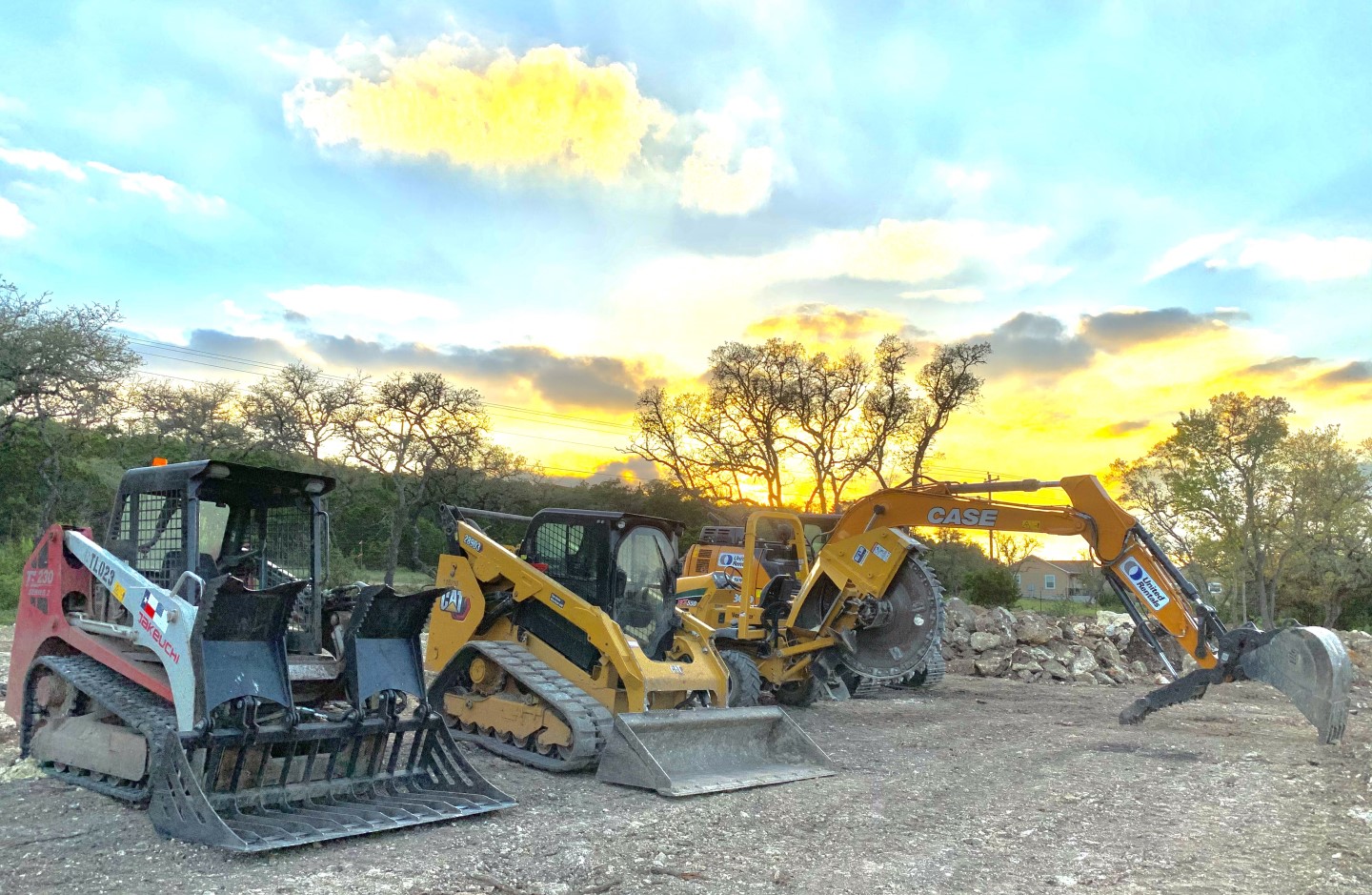
Contact MTL Today ►There is a lot to take care of before the first concrete truck arrives. The land may need to be cleared, excavated, graded, and prepared for utilities. Drainage also has to be worked out before buildings and paved areas go in.
These early phases may not be the most visible part of a commercial project, but they affect nearly everything that comes after them. Good site preparation gives the crews who follow a property that is ready to build on. It can also help uncover problems before they begin holding up the schedule.
So, what should happen before construction gets underway?
Take a Close Look at the Property
Every job site comes with its own set of challenges. Some are heavily wooded. Others have old pavement, structures, or piles of material left behind. Even a site that looks fairly clear may have drainage or soil issues that are not obvious at first glance.
Before equipment is brought in, the project team should review:
- Existing soil and ground conditions
- The slope and elevation of the property
- Trees, brush, rocks, and debris
- Old buildings, concrete, or pavement
- Planned building pads and parking areas
- Construction entrances and equipment access
- Existing and proposed utility routes
- The direction water currently travels across the site
This first look helps site development contractors figure out what needs to be done and in what order. It can also prevent surprises once digging begins.
Clear What Is in the Way
Most commercial projects begin with some amount of land clearing. Crews may need to remove brush, trees, roots, rocks, and other material before excavation or grading can start.
Properties with old commercial buildings or other large structures may also need industrial demolition services. Working with experienced demolition contractors helps keep removal work organized and makes it easier to prepare the cleared area for its next use.
Clearing is not just about opening up the property. It gives crews enough room to operate heavy equipment, establish access points, and start shaping the land according to the project plans.
Excavate for the Work Ahead
Once the site is clear, excavation work can begin. The exact work will depend on the plans and the condition of the property.
Commercial excavation services may include:
- Removing soil that cannot properly support construction
- Cutting down high areas
- Filling and compacting low spots
- Excavating for foundations
- Preparing building pads
- Digging utility trenches
- Shaping drainage areas
- Preparing access roads and parking areas
A skilled excavation contractor does more than move dirt from one location to another. The crew has to follow the plans, maintain the correct depths, and keep an eye on how its work will affect the trades coming in next.
This is also why it matters to compare excavation companies carefully. Experience with commercial sites, scheduling, and field conditions can make a real difference once work begins.
Get the Grade Right
Very few properties begin with the exact elevations needed for construction. Site grading is the process of reshaping the ground to create the slopes and elevations shown on the plans.
That does not necessarily mean making the entire property level. Parking lots, roads, buildings, and drainage areas may all require different elevations.
Grading helps prepare the property for:
- Commercial building pads
- Parking lots and access roads
- Proper stormwater flow
- Future concrete and asphalt work
- Stable, usable areas around the development
- A properly prepared base beneath a concrete surface
Experienced excavation contractors will look beyond the building footprint. The finished grade also has to work with utilities, paved areas, entrances, and drainage routes across the rest of the property.
Give Rainwater Somewhere to Go
Anyone familiar with Central Texas weather knows how quickly a hard rain can change a job site. Water can collect in low areas, wash away loose soil, and leave parts of the property too muddy for crews and equipment.
Drainage needs to be considered while the land is being shaped—not after the building pad and parking lot are already in place.
Depending on the plans, drainage work may involve:
- Sloping the ground away from structures
- Creating swales or drainage channels
- Excavating for stormwater systems
- Digging trenches for drainage lines
- Preparing slopes where erosion may be an issue
- Directing runoff around parking areas and access roads
A project may also call for a retaining wall where there is a large change in elevation or soil needs additional support. These features should be built according to the project’s engineering and site plans.
Drainage matters for paved areas, too. Standing water and moisture beneath asphalt paving can contribute to surface damage over time. Getting the drainage right from the start may help limit early asphalt repair, asphalt crack repair, and asphalt patch repair.
Take Care of Utility Work Before Paving
Utility lines have to reach different areas of the property. Planning those routes ahead of time helps avoid cutting into fresh concrete or asphalt later.
Before paving begins, crews may need to:
- Decide where each utility will enter the site
- Mark where the trenches will run
- Dig each trench to the proper size and depth
- Coordinate the work with licensed utility contractors
- Fill the trenches once the lines are in
- Compact the soil
- Check that the trenches won’t create drainage problems
MTL Construction handles utility trenching as part of its commercial site preparation and excavation work. Utility installation and final connections may need to be completed by the appropriate licensed contractors.
Finishing underground work first also gives concrete and asphalt paving companies in Texas a cleaner, more dependable area to work with.
Prepare for Buildings and Pavement
After the clearing, excavation, grading, and underground work are complete, attention can turn to building pads and paved areas.
A building, parking lot, or access road is only as good as the base beneath it. If the ground isn’t shaped and compacted properly, cracks and settling can show up later.
Before concrete and asphalt paving services begin, the project team should confirm that:
- The main trenching work is done
- Drainage is set up
- The site is at the right elevation
- The subgrade is ready
- Concrete and paving crews can reach the work area
- Finished work will not need to be removed for another phase
Completing these steps in the right order keeps site development moving and reduces the chances of crews having to redo finished work.
A Prepared Site Helps Everyone Stay on Schedule
Ground problems are easier to deal with before multiple trades are working on the property. Once construction is in full swing, even a small issue can affect several parts of the schedule.
Taking care of site preparation early can help:
- Reveal poor soil or difficult ground conditions
- Prevent conflicts between structures and utilities
- Keep water from collecting in active work areas
- Create a solid base for concrete and pavement
- Reduce last-minute changes
- Make the handoff between crews easier
When one stage is finished correctly, the next contractor can get to work without waiting for unfinished grading, trenching, or clearing.
Get Your Commercial Property Ready With MTL Construction
MTL Construction handles commercial excavation, grading, land clearing, utility trenching, demolition, concrete, and asphalt work throughout Central Texas. Because we can handle several early phases of a project, clients have fewer crews to coordinate as the site takes shape.
Whether you are preparing a commercial building pad, parking lot, access road, or larger development, we can help get the property ready for the work ahead.
Contact MTL Construction to discuss your project and request a free estimate.
Contact MTL Construction Today!
Our team is here to assist you with excavating, paving, and more.
Contact MTL Construction now so we can prepare your sites thoroughly for your projects.